Timed around your ship, not a timetable
Tell us your sailing time and we work backwards from it. Embarkation on most river ships opens in the early afternoon, so a late-morning pickup in Prague usually lands you in Passau with a comfortable margin and time for lunch by the river. If you would rather arrive early and see the town first, we start earlier — it is your car.
Going the other way, river cruises tend to disembark between eight and nine in the morning, which is awkward for both the coach and the train. A car booked for your disembarkation time has you back in Prague by early afternoon with the rest of the day intact.
We ask for your ship's name and, if your cruise line has published it, the berth. Passau moors several vessels at once along the Danube and Inn quays and ships are often rafted side by side, so knowing which one you want saves a confused walk along the waterfront with suitcases.
The drive through the Bohemian Forest
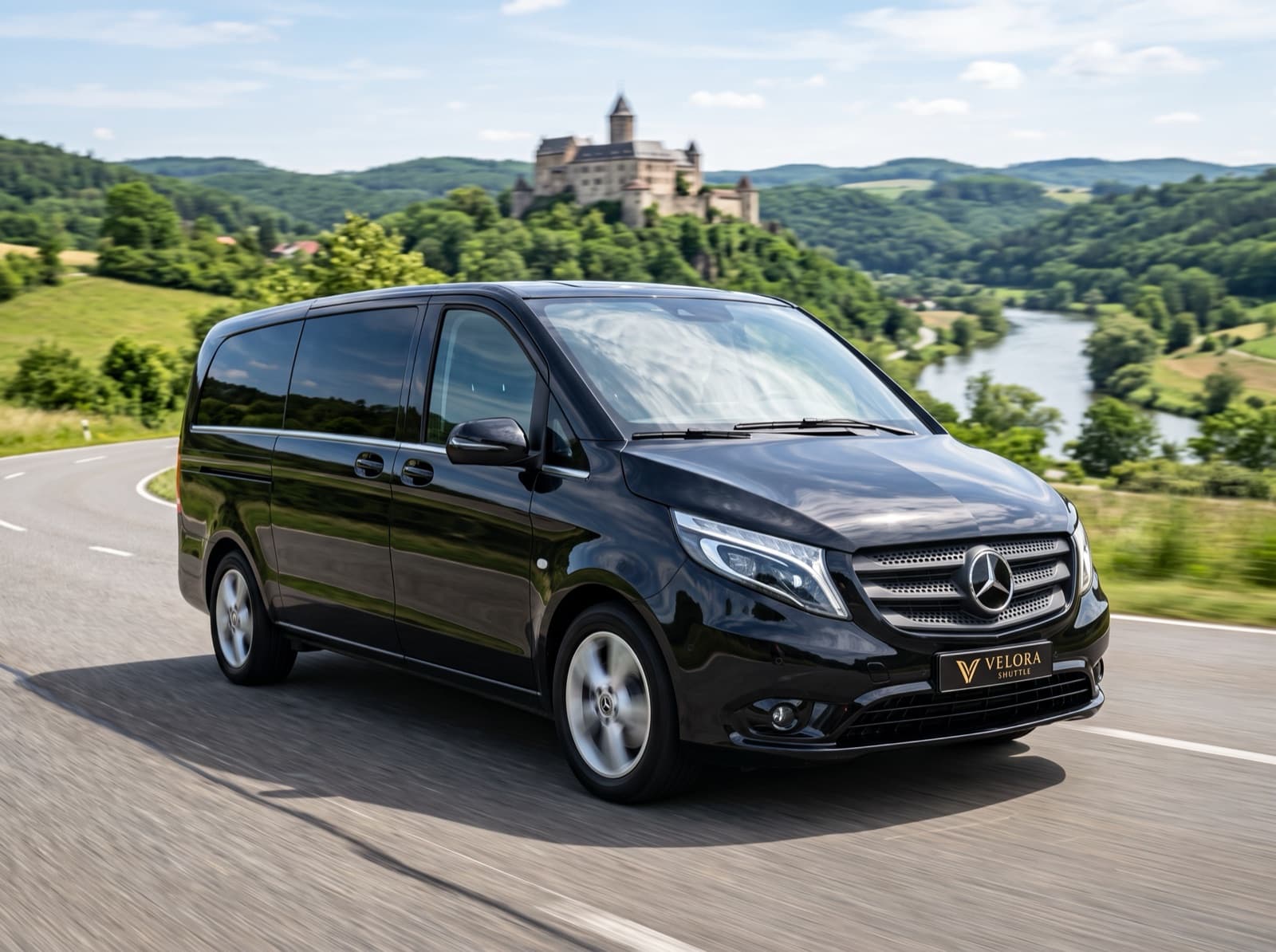
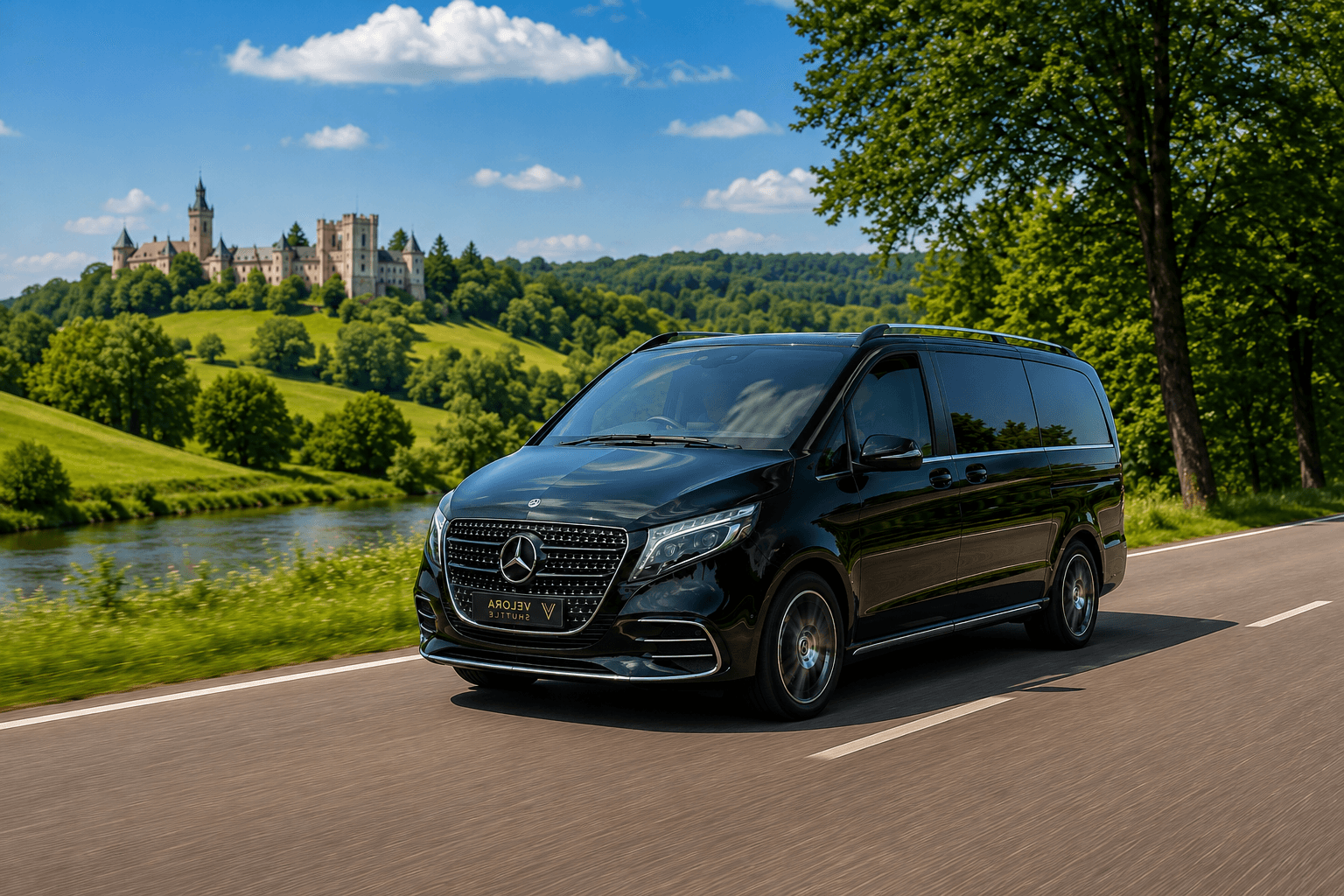
The route runs south-west out of Prague towards Písek and Strakonice, then climbs through the Šumava — the Bohemian Forest — and crosses into Bavaria at the Strážný–Philippsreut border before dropping down to the Danube at Passau. Both countries are in the Schengen Area, so there are no routine checks, though you should carry a passport or national ID card for occasional spot checks.
It is a genuinely handsome drive, particularly the forested stretch near the border, and it is the part of the journey the train and coach skip entirely. Total time is around three and a half hours with one comfort stop.
Czech and German motorway charges, fuel and parking are all inside the quoted price. If you were driving yourself you would need a Czech vignette and would be paying to park in Passau for the length of your cruise, which is the sort of cost that quietly makes a rental car less cheap than it looks.
Vilshofen, Deggendorf and the other nearby ports
Passau is the best-known turnaround port on this stretch, but it is not the only one your itinerary might use. Vilshofen an der Donau, about 25 kilometres downstream, is where AmaWaterways and Avalon begin and end many Danube cruises, and it is considerably harder to reach independently — there is no useful rail route from Prague at all.
We serve Vilshofen, Deggendorf and the smaller Bavarian berths on the same basis as Passau, at the same price and with the same door-to-quay approach. If your paperwork names a port you have never heard of, send it to us and we will confirm the timing.
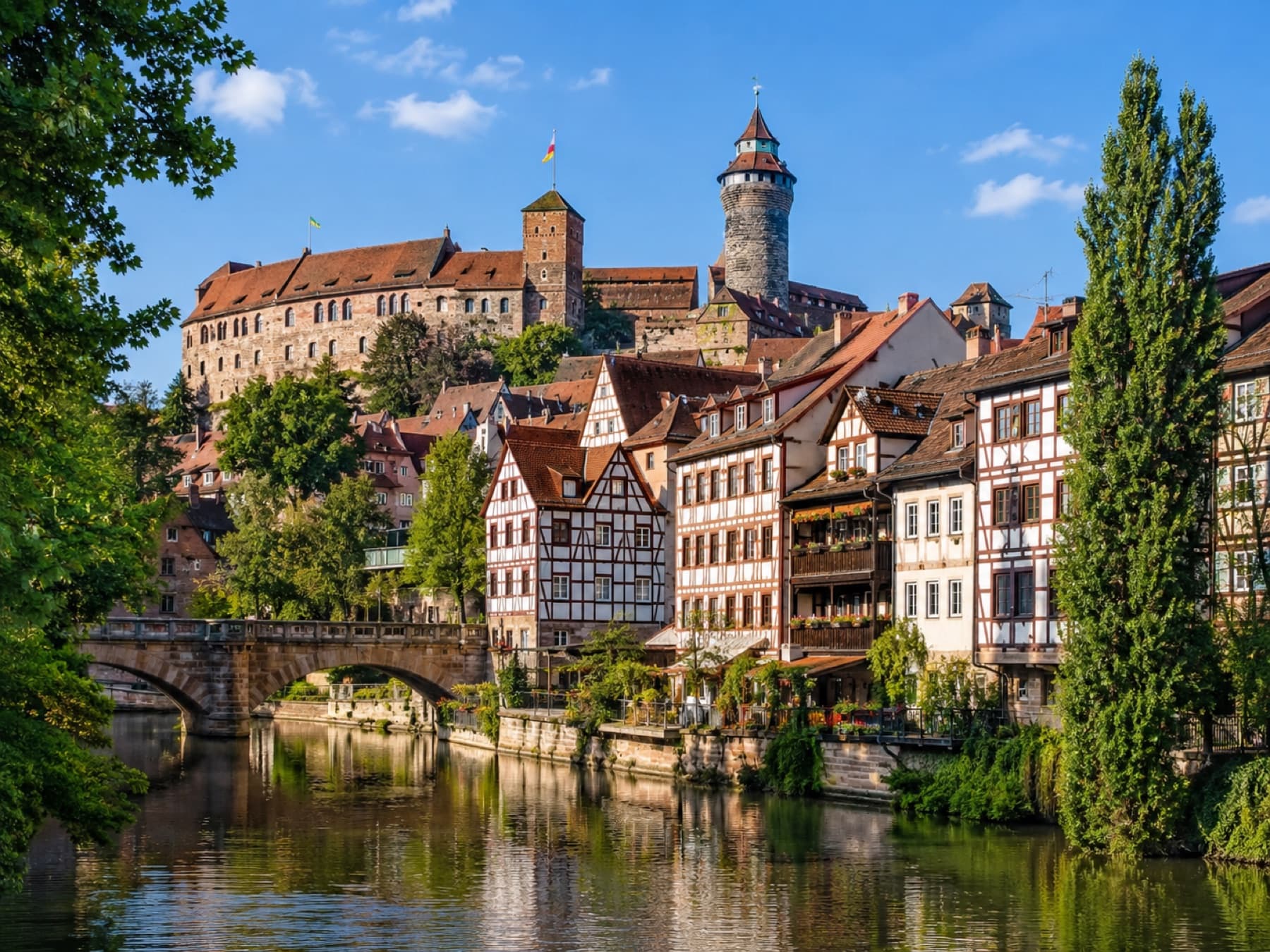
If your ship instead starts at Regensburg, Nuremberg or Linz, we run those too — the pattern is identical, only the distance changes.
Passau itself, if you have a few hours
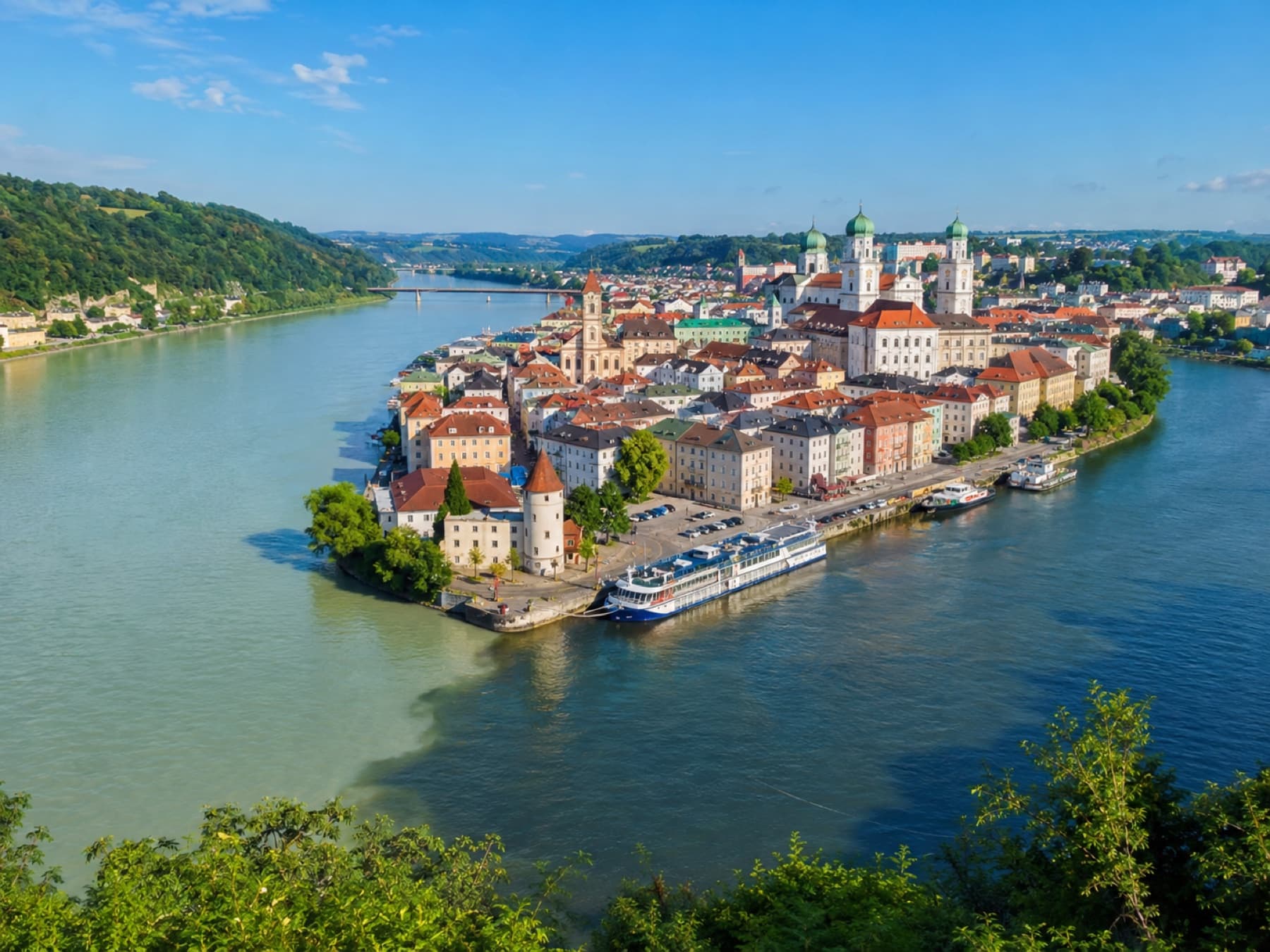
Passau is worth arriving early for. It is known as the City of Three Rivers, built on the narrow spit where the Inn and the Ilz meet the Danube, and the old town is a compact tangle of Italianate baroque lanes that you can walk end to end in an afternoon.
St Stephen's Cathedral holds one of the largest church organs in the world, and there are free recitals on most weekday middays in season. Above the river, the Veste Oberhaus fortress gives you the view that appears on every postcard of the confluence, where you can pick out the three differently coloured rivers meeting.
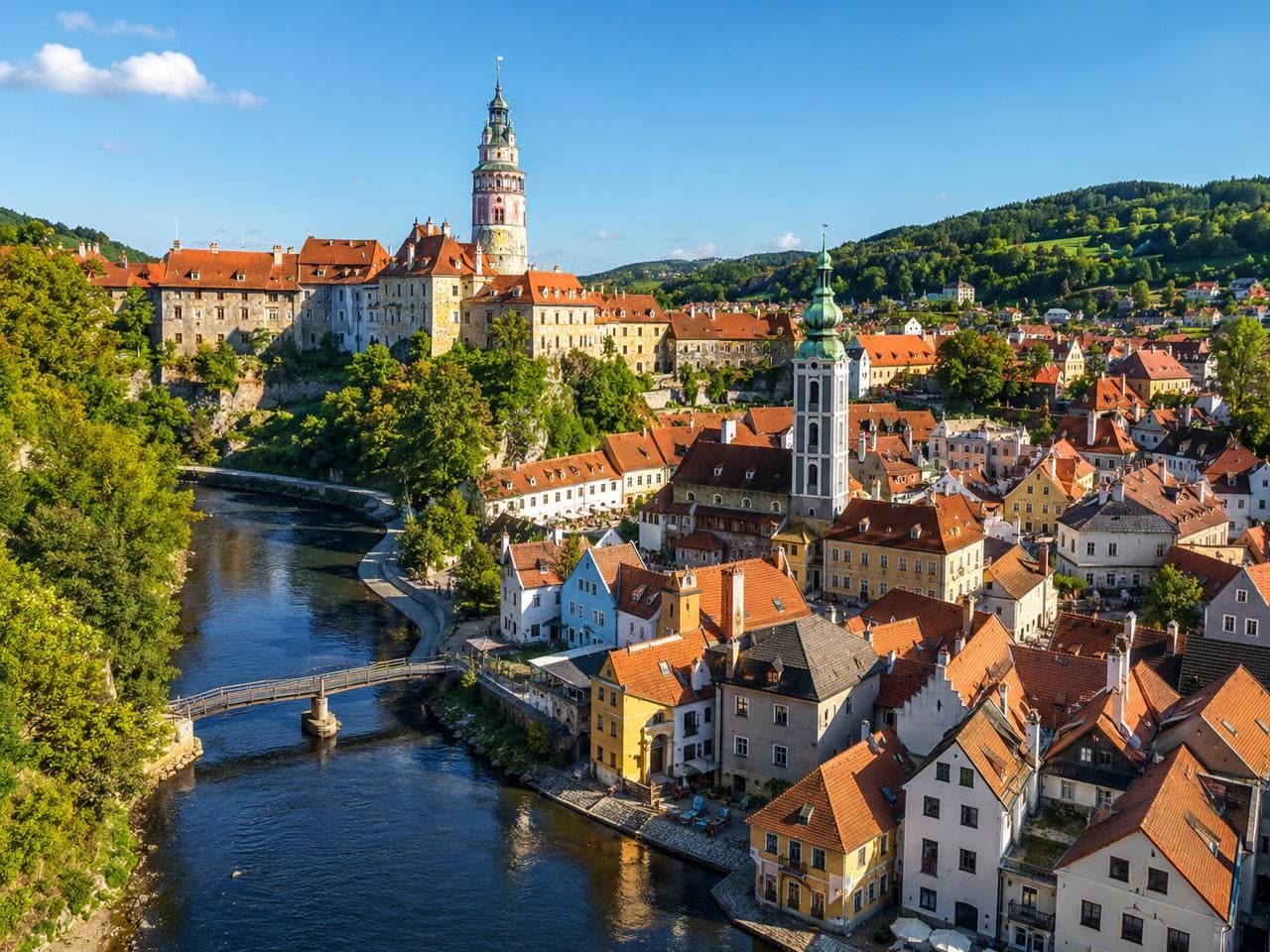
If you are travelling in the other direction and have time before your Prague hotel check-in, the same logic applies in reverse: Český Krumlov sits within reach of this road and turns the transfer into a sightseeing day rather than dead time. Ask for it when you book and we will quote the stop.
Reverse route, stopovers and travel options
You can book the same private transfer in reverse, from Passau to Prague, with the same door-to-door pickup, fixed vehicle price and direct confirmation. Return transfers are useful for airport connections, multi-city holidays and business trips where timing matters more than stitching together local taxis and public transport.
Stopovers can be added when the schedule allows: a lunch break, castle visit, wine town, scenic viewpoint or time to collect keys from accommodation. Tell us the preferred stop in the booking request and we will confirm the extra time and price before the trip is final.
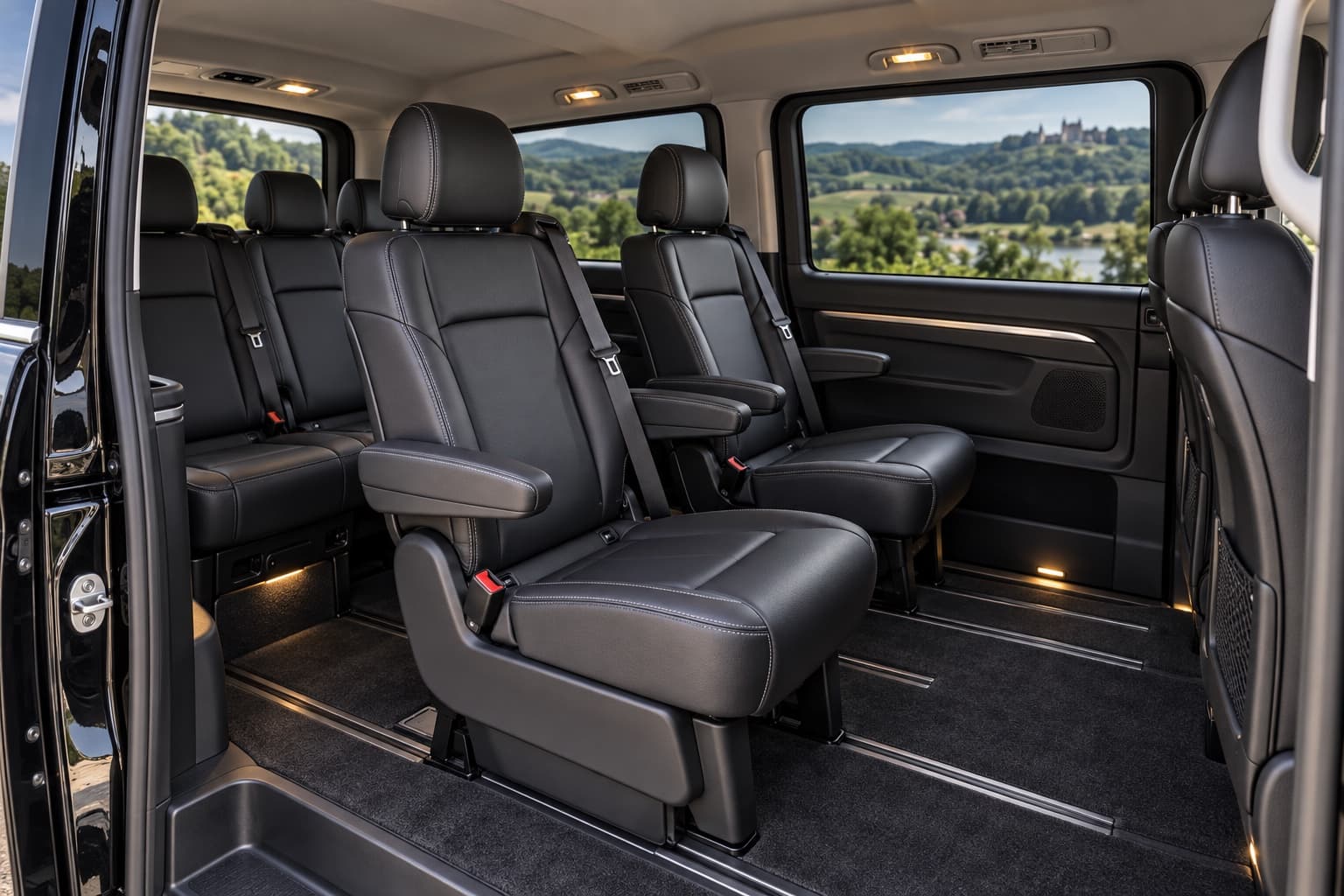
Trains and buses are usually best for one traveller with a small bag. A private transfer is stronger when you are two to four people, travelling with luggage, children or a tight arrival window. Compared with a taxi, the advantage is the confirmed long-distance price, planned route and a driver who is expecting an intercity journey rather than a short urban fare.